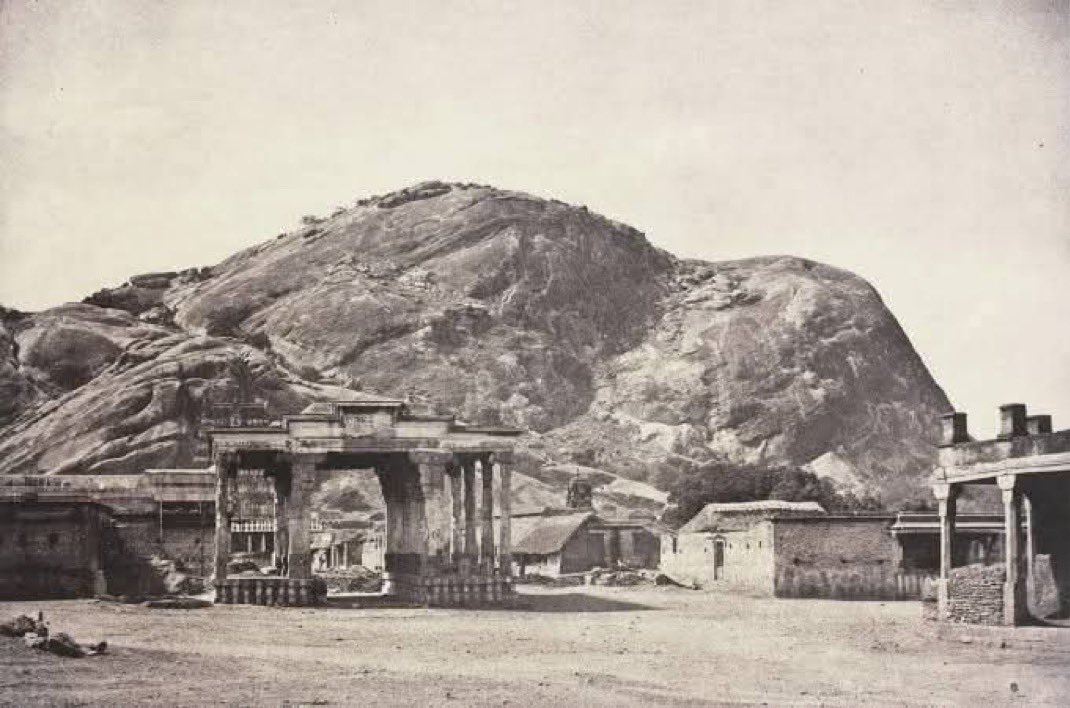
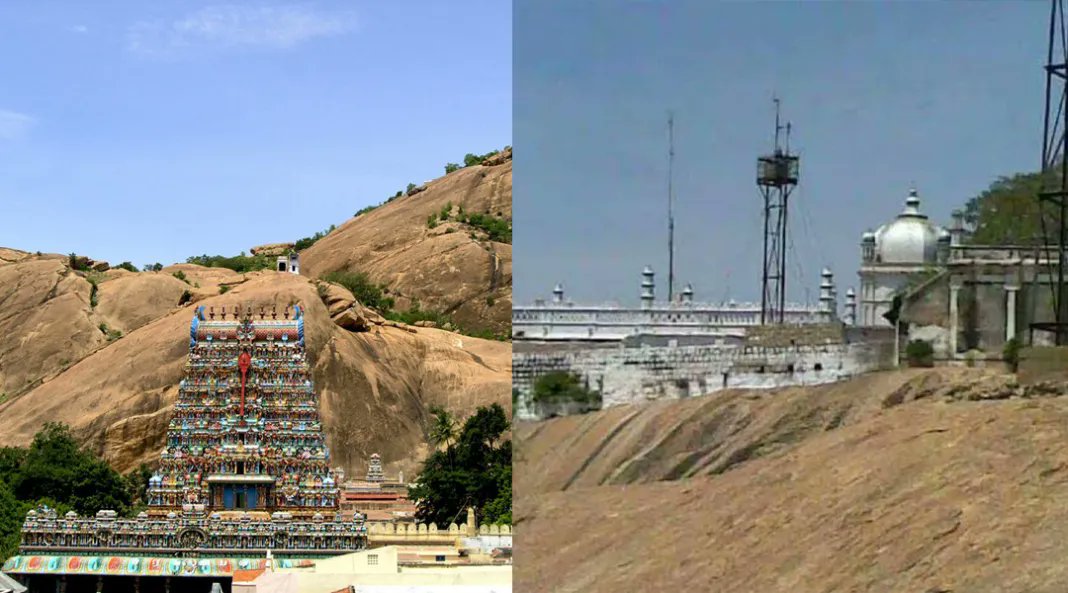
The recent incident at Thirupparankundram, where Hindus were denied permission to light the Karthigai Deepam on the hilltop despite clear judicial directions, once again exposes a persistent and deeply concerning pattern under the DMK-led government in Tamil Nadu. State authorities and the police refused to implement court-mandated protection, directly obstructing a traditional Hindu ritual that has been practiced for generations.
This is not an isolated administrative lapse. It reflects a larger and systematic erosion of Hindu religious rights—the right to worship, to follow ancestral customs, and to access sacred spaces. When courts explicitly uphold these rights, yet the State continues to obstruct their exercise, the contradiction becomes impossible to ignore.
Temple Administration and the Growing Land Crisis
Alongside repeated interference in ritual practices, Tamil Nadu’s temples continue to suffer severe administrative and property-related damage under prolonged State control through the HR & CE Department.
Temple Land Crisis in Tamil Nadu:
- Over 5 lakh acres of temple land exist on official records under HR & CE control
- Tens of thousands of acres remain encroached, unaccounted for, disputed, or poorly documented
- Since 2021, the State reports recovering 7,000+ acres valued at over ₹7,000 crore
- Independent audits and court observations confirm that thousands of acres are still lost to encroachment
- Inadequate surveys, outdated records, and mismatched boundaries continue to stall recovery
- Hundreds of cases remain pending before revenue authorities and the judiciary
The repeated denial of ritual rights and the continued mismanagement of temple properties are not mere administrative failures. They raise serious constitutional and legal concerns.
1. HR & CE Act: State Control Has Constitutional Limits
The Tamil Nadu Hindu Religious and Charitable Endowments Act, 1959 grants the State administrative oversight—but not the authority to interfere in core religious practices.
This limitation was clearly laid down by the Supreme Court in the Shirur Mutt judgment (1954), which held that:
- The State may regulate secular aspects such as finance and administration
- It cannot obstruct essential religious practices or deny devotees access to sacred spaces
The Karthigai Deepam ritual, practiced for generations and deeply embedded in Hindu tradition, falls squarely within the realm of protected religious practice. Blocking it under the guise of administration—especially after a court directive—violates this constitutional boundary.
2. Fundamental Rights Under the Constitution Are Being Violated
The incident at Thirupparankundram implicates multiple constitutional protections:
Article 25
➡ Guarantees the freedom to profess and practice religion. Peaceful ritual worship, including Deepam lighting, is explicitly protected.
Article 26
➡ Grants religious denominations autonomy over their religious affairs, including rituals and customary worship.
Article 14
➡ Ensures equality before the law. Selective obstruction of Hindu religious practices constitutes discriminatory State action.
Article 21
➡ The right to life and personal liberty includes the right to live with dignity and practice one’s faith without unreasonable State interference. Denial of worship despite judicial protection violates this right.
Articles 32 and 226
➡ Provide immediate judicial remedies when the State violates fundamental rights, enabling devotees to approach High Courts and the Supreme Court for enforcement.
3. Essential Religious Practices: Clear Judicial Position
The Shirur Mutt judgment (1954) established that religion includes not only belief but also rituals, ceremonies, and modes of worship integral to the faith.
Courts determine what constitutes an essential practice, and long-standing, community-recognized rituals such as the Karthigai Deepam clearly qualify for constitutional protection. The State has no authority to override such practices through arbitrary administrative decisions, nor can it ignore court orders affirming them.
A Pattern That Demands Accountability
The Thirupparankundram incident is not about law and order. It is about constitutional compliance, religious freedom, and equal treatment. When the State repeatedly interferes with Hindu worship while retaining control over temples and their assets, it raises unavoidable questions about intent, neutrality, and governance.
The continued erosion of Hindu religious rights in Tamil Nadu can no longer be dismissed as coincidence. It demands legal accountability, administrative reform, and strict enforcement of constitutional limits on State power.
Faith cannot be governed by political discretion.
And constitutional rights cannot be selectively enforced.