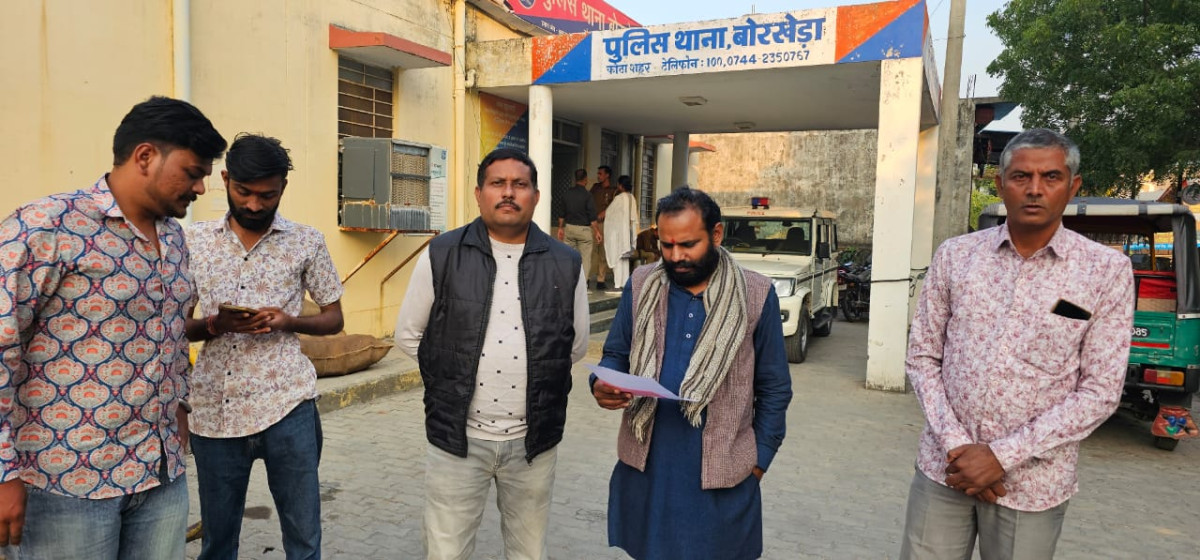
Rajasthan has formally begun enforcing the Dharma Swatantrata Adhinyam, 2025, marking a significant moment in the state’s approach to regulating religious conversions. In Dungarpur district, two Christian pastors have been booked following a complaint filed by volunteers of the Vishwa Hindu Parishad (VHP) and Bajrang Dal.
According to the FIR, a prayer gathering was allegedly used to influence vulnerable Hindu families toward religious conversion through inducements. The matter is now under investigation, and due legal process will determine culpability. What is notable, however, is the speed and seriousness with which the Rajasthan government has acted under the new law.
What the Law Seeks to Prevent
The Dharma Swatantrata Adhinyam, 2025 is designed to prevent conversions carried out through:
- Allurement
- Fraud
- Coercion
- Misrepresentation
It also places regulatory oversight on mass religious events conducted with the intent of conversion, ensuring that religious freedom is not misused to exploit economic distress, social vulnerability, or lack of awareness.
Rajasthan’s prompt enforcement signals that the law is not merely symbolic, but intended to function as a practical safeguard for social harmony and individual consent.
A Larger National Question
This development raises a critical question for the rest of the country:
Why have other states not implemented equally strong and enforceable anti-conversion laws to protect vulnerable communities?
Multiple studies and field reports on predatory proselytization have documented a disproportionate number of conversion-related complaints in states such as Uttar Pradesh, Madhya Pradesh, Rajasthan, Jharkhand, and West Bengal. These incidents are often linked to inducements tied to healthcare, education, or financial assistance, blurring the line between genuine faith choice and coercive influence.
GHHRC’s Appeal
The Global Hindu Human Rights Collective (GHHRC) reiterates that religious freedom must always be accompanied by informed consent and legal accountability. Freedom of belief does not include the freedom to exploit vulnerability.
GHHRC therefore appeals to:
- State governments to enact and enforce robust anti-conversion laws
- The Central Government to explore a uniform legal framework that protects Bharat’s native communities while upholding constitutional values
Strong laws, when applied fairly and transparently, do not threaten harmony—they preserve it.
Rajasthan’s enforcement sets a precedent. The question now is whether the rest of the country is prepared to follow through with the same seriousness and resolve.